
Fascial Adhesions Solved After a Fifteen Year Struggle with Neck Pain and Muscle Spasms

If you’ve ever skimmed over the surface of the crystal-clear CURRENT RIVER you share a bond with Molly. How so? Her family manufactures Blazer Boats in Ellington. In fact, it was her dad who referred her in because of CHRONIC NECK PAIN and HEADACHES, not to mention the funky stroke-like neurological symptoms she was having. […]
Fascial Adhesions Lead to Chronic Pain: Solutions to a Cheerleading Accident

Although Cassie’s case was extremely common as far as what was wrong with her (FASCIAL ADHESIONS caused by SEVERE TRAUMA had caused unbearable neck pain, back pain, shoulder pain, and headaches), the mechanism of her injury was anything but. At age 11, she had been invited to be part of an elite cheer-squad, made up […]
new study discusses the relationship between fascia, pain and dermatomes, myotomes & fasciatomes

FASCIA AND ITS RELATIONSHIP TO CHRONIC PAIN AND THE FASCIATOME Last week the STECCOS, along with six other Italian researchers, published a study in Clinical Anatomy titled Dermatome and Fasciatome. Although I’ve covered dermatomes, myotomes, scleratomes, etc (HERE), etc, I’ve never even heard of the analogous formation found in FASCIA — the fasciatome (although on […]
fascia, chronic pain, and entrapment neuropathies

“Entrapment mononeuropathies represent a common reason for visiting primary care and outpatient neurology practices. Accurate diagnosis is paramount because these presentations can be very similar to radiculopathy or systemic neuropathy. Numerous experimental and clinical studies have demonstrated that nerve mechanosensitivity can be heightened in the absence of nerve injury and therefore of neuropathic pain. All […]
new study deals with mri imaging of fascia in the musculo-skeletal system
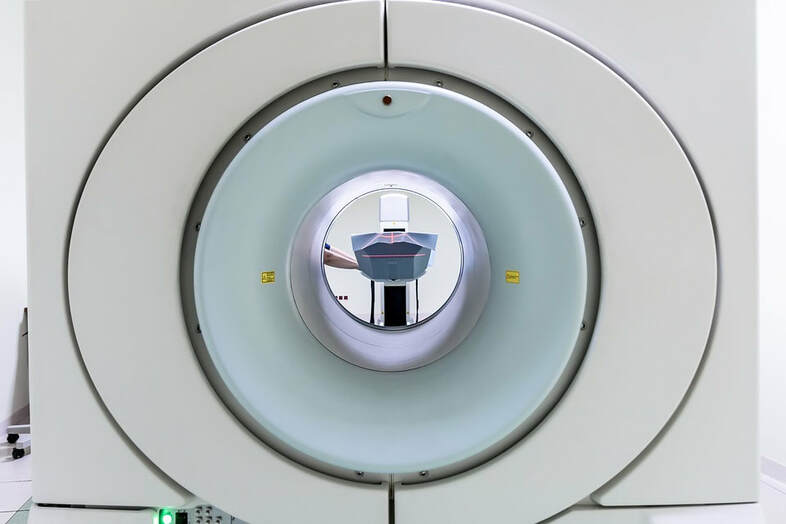
NEW STUDY TOUTS MERITS OF MRI IMAGING FOR MUSCULOSKELETAL PROBLEMS / PAIN “Despite its presence everywhere throughout the body, the fascial system has received little attention in the imaging literature as it is regarded as a network of inert membranes barely involved in abnormal conditions. In a previous article, we detailed how MRI patterns of […]
fascia has contractile properties
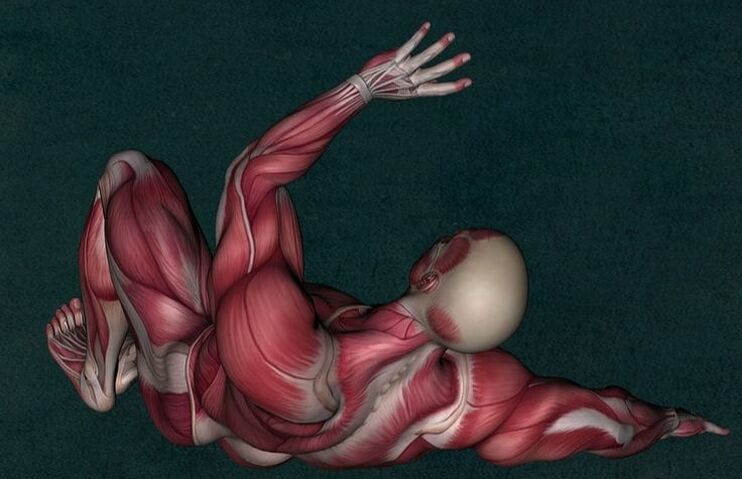
IMPLICATIONS OF FASCIA’S ABILITY TO CONTRACT Although it’s not a totally new concept (I’ve spoken of it on several occasions — HERE, HERE, and HERE), a brand new study shed even more light on fascia’s ability to act as a contractile tissue. DR. ROBERT SCHLEIP led a team of 10 researchers from Europe and Australia […]
more on chronic non-specific back pain as related to fascia

CHRONIC, NON-SPECIFIC BACK PAIN…COULD THERE BE A SOLUTION FOR YOU? The longer I’m in practice, the easier it is to see why so many people are not finding relief from or long-term solutions for their chronic pain. Particularly for their chronic neck or back pain. MEDICINE IS INCREASINGLY BASED ON TESTING: It’s inarguable that […]
new news on the fascia front: highlights of the fifth fascia congress

THE LATEST IN FASCIA RESEARCHHIGHLIGHTS OF THE FASCIA CONGRESS Having mentioned the (then) upcoming FIFTH INTERNATIONAL FASCIA RESEARCH CONGRESS a couple of months ago, I thought I would comment on the article from the January issue of the Journal of Bodywork and Movement Therapies (Findings From the Frontiers of Fascia Research: Insights Into ‘Inner […]
solutions to chronic back pain caused by adhesions of the thoracolumbar fascia
CHRONIC BACK PAIN AND FASCIAL ADHESIONS OF THE THORACOLUMBAR SPINEMIGHT THERE BE A SOLUTION FOR YOU? “The thoracolumbar fascia is thought to act as an internal ectoskeletal corset that transmits force between the arms and legs while protecting the static and contractile elements within the spine by minimizing friction.” From the study being discussed today Two months ago […]
a review of dr. stephen levin’s paper, bone is fascia

IS DR. STEPHEN LEVIN CORRECT? IS BONE REALLY FASCIA? Although he certainly did not invent the concept, famed orthopedic surgeon, BIOMECHANIST, and expert on fascia, Dr. Stephen Levin of the Ezekiel Biomechanics Group, published a paper back in 2003 on the structure of FASCIA, concerning something known as BIOTENSEGRITY (A New Model for Biologic Constructs: […]
the latest synopsis of myofascial pain syndromes

AN EXPERT REVIEW AND SYNOPSIS OF MYOFASCIAL PAIN SYNDROMES Dr. Bruno Bordoni recently wrote an article for STAT Pearls titled Myofascial Pain, in which he stated, “Different tissues work in harmony to make up the myofascial continuum. Thanks to the fascial tissue, all the muscles make up a network in constant connection, and it becomes […]
review of awareness of the fascial system

AWARENESS OF THE FASCIAL SYSTEMA REVIEW Quantum physics is out there. I mean way out there. Not only has it shown that atoms and their various micro-components have properties allowing them to behave like both particles and waves simultaneously, but that related particles can become “entangled” with each other to such a degree that […]
what do “invisible” fascial adhesions and fascia tears look like?
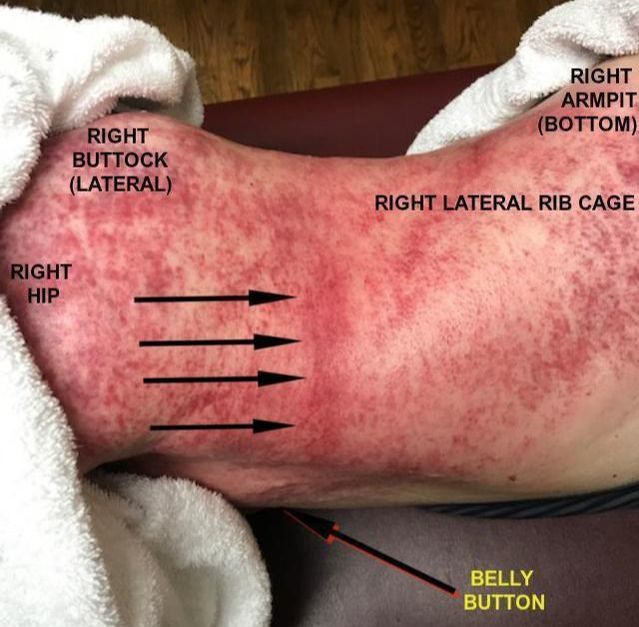
TORN OR ADHESED FASCIAWHAT IN THE WORLD DOES IT LOOK LIKE? Invisible. At some point in their life, everyone has secretly (or maybe not so secretly) desired to be invisible. There are a couple of all-too-common situations within the medical field, however, where being invisible is a bad thing — potentially a very bad […]
the latest in fascia as related to sports injuries

Germany’s Ulm University is home to DR. ROBERT SCHLEIP’S Fasica Research Group, which recently got a group of 13 physicians and elite researchers from around the world together to determine the role of fascia rehab in regards to SPORTS INJURIES. The results are found in one of the BMJ stable of publications; the British […]
aging, inflammation, fascial thickening, and degenerative changes such as osteoarthritis and loss of flexibility

A couple days ago the Journal of Anatomy published a research paper titled Fascia Thickness, Aging and Flexibility: Is there an Association? The gist of the study was something we’ve seen before — that when exposed to inflammation or mechanical stress, FASCIA TENDS TO THICKEN. Here are some cherry-picked portions of this research, which was […]
is your chronic pain centralized or not? could it be due to fascial adhesions?

YOUR CHRONIC PAIN MAY NOT BE “CENTRAL SENSITIZATION” AFTER ALL “I have so much fascia pain all over due to a signal change in my spinal cord (neck region). I’m not really sure how to address this as I know the cause and my cord has been decompressed (10 months post-op). Unfortunately I have what […]
can fascial adhesions in the chest, abdominal area, and hip flexors, cause chronic neck and upper back pain?

FASCIAL ADHESIONS OF ANTERIOR MUSCLES CAUSE PAIN IN THE UPPER BACK AND NECK Any number of factors can come together to create a “PERFECT STORM” of fascial adhesion in the front (anterior) side of the body, leading to PAIN and TRIGGER POINTS in the neck and upper back. Although it’s not the only way […]
mri imaging of fascia in autoimmune diseases
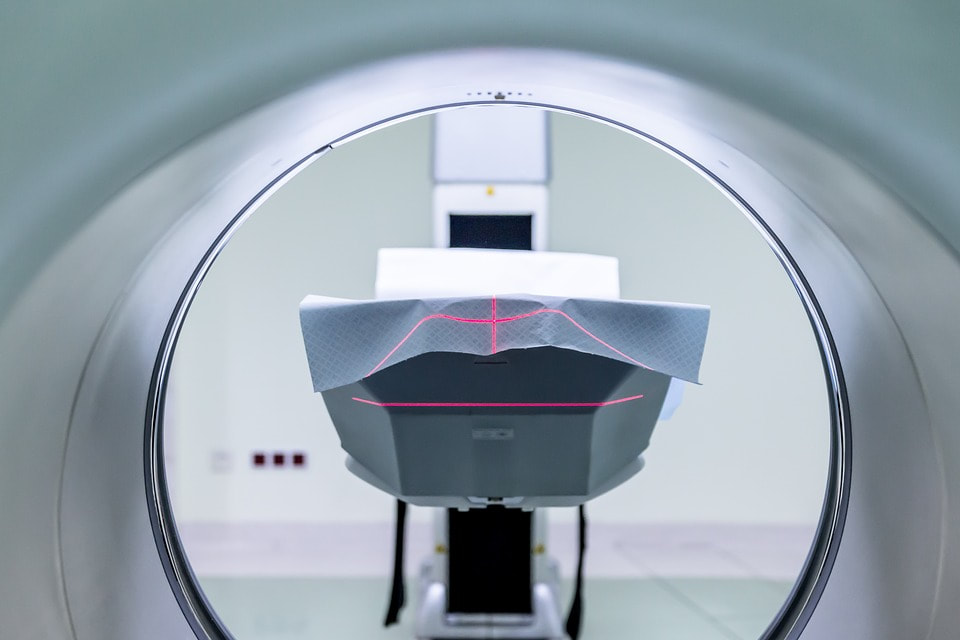
BRAND NEW STUDY SHOWS DIFFERENCES IN MRI IMAGING OF FASCIA IN AUTOIMMUNITY “Autoimmune disorders of the musculoskeletal fascial system include numerous diseases such as systemic sclerosis, lupus, eosinophilic fasciitis, dermatomyositis, polymyalgia rheumatica and some other mixed connective tissue diseases along with seronegative and seropositive arthritides. Each disease tends to target specific components of the fascial system […]
the british journal of sports medicine publishes position paper on fascia

Injuries to a variety of fascial tissues cause a significant loss of performance in sports and have a potential role in the development and perpetuation of musculoskeletal disorders, including lower back pain. A major goal of clinicians is to return athletes and patients to activity, training and competition after injury. Earlier this month and just […]
new research on the thoracolumbar fascia’s relationship to the abdominal muscles

THE THORACOLUMBAR / ABDOMINAL CONNECTION: HOW IMPORTANT IS IT FOR CORE STABILITY? Last week the journal Clinical Anatomy published a study titled Anatomical and Functional Relationships Between the External Abdominal Oblique Muscle and the Posterior Layer of the Thoracolumbar Fascia. Allow me to help break down the abstract and show you yet another reason that […]